A compatibility quiz for couples to take separately
Eighteen questions in six topics. Each of you answers on your own, then you compare and count the matches. The score starts a conversation; it is not a verdict on your relationship.
Money: how you earn, save and spend together
Money is one of the topics couples argue about most, usually because each partner grew up with different rules about it. Write down a, b or c for each question before you look at your partner's answers.
- 1. A bonus worth a month's pay arrives. You would rather: (a) save or invest most of it (b) split it between savings and something you both enjoy (c) spend it on something you have wanted for a while
- 2. Shared money should be: (a) pooled in one joint account (b) a joint account for bills plus your own accounts (c) kept separate, with costs split
- 3. A big purchase, such as a car or a sofa, needs: (a) a joint decision every time (b) a joint decision above an amount we agree on (c) the decision of whoever pays
Family and children: what you expect from each family
Children, parents and in-laws shape daily life for years. Differences here are common and workable once both of you know where the other stands.
- 4. Children: (a) yes, within the next few years (b) yes, but later or once something else is in place (c) not sure, or no
- 5. With parents and in-laws, you expect: (a) frequent visits and a say in big decisions (b) regular contact, while decisions stay between us (c) occasional contact on our own terms
- 6. Big holidays are spent: (a) with one family, by tradition (b) alternating between families (c) on our own as often as with family
Time together and time apart
How much time you spend together, and how you stay in touch when apart, is a quiet source of hurt when expectations differ. Neither answer is better; what matters is whether they fit.
- 7. After a long week, the ideal evening is: (a) out with friends (b) at home together (c) some time alone first, then together
- 8. A trip with your own friends feels: (a) unnecessary (b) healthy now and then (c) important, and often
- 9. Messages during the day: (a) we stay in touch all day (b) a few check-ins are enough (c) we catch up in the evening
Conflict: what happens when you disagree
Every couple disagrees. Compatibility here is less about how often you fight than about whether your ways of fighting and making up fit together.
- 10. When something bothers you, you: (a) raise it straight away (b) wait until you are calm, then raise it (c) let it go unless it keeps happening
- 11. In an argument you need: (a) to talk it through until it is settled (b) a short break, then to talk (c) time to yourself, sometimes a day or more
- 12. After a fight, making up looks like: (a) a clear apology in words (b) a kind gesture instead of words (c) moving on once it has blown over

Affection: how you show and feel care
Two people can both care a lot and still miss each other's signals. These questions show how each of you gives and receives care.
- 13. You feel most cared for when your partner: (a) tells you (b) does things for you (c) gives you time and full attention
- 14. Affection in public: (a) comfortable with it (b) small gestures only (c) prefer to keep it private
- 15. Birthdays and anniversaries: (a) a big deal, planned well ahead (b) nice to mark simply (c) not important to me
The future: where and how you want to live
Plans for the next five years often stay unspoken until a job offer or a lease renewal forces them. Answer for what you want, not what you think your partner wants.
- 16. In five years you see yourselves living: (a) where we live now (b) in another city or country we choose (c) wherever work or opportunity takes us
- 17. One of you gets a great job offer in another city: (a) we both move (b) we try long distance for a while (c) the offer is turned down
- 18. Faith, values or traditions in daily life: (a) central, and should be shared (b) important, but we can differ (c) not a big part of my life
Love personality tests and beyond the quiz: compatibility in your real conversations
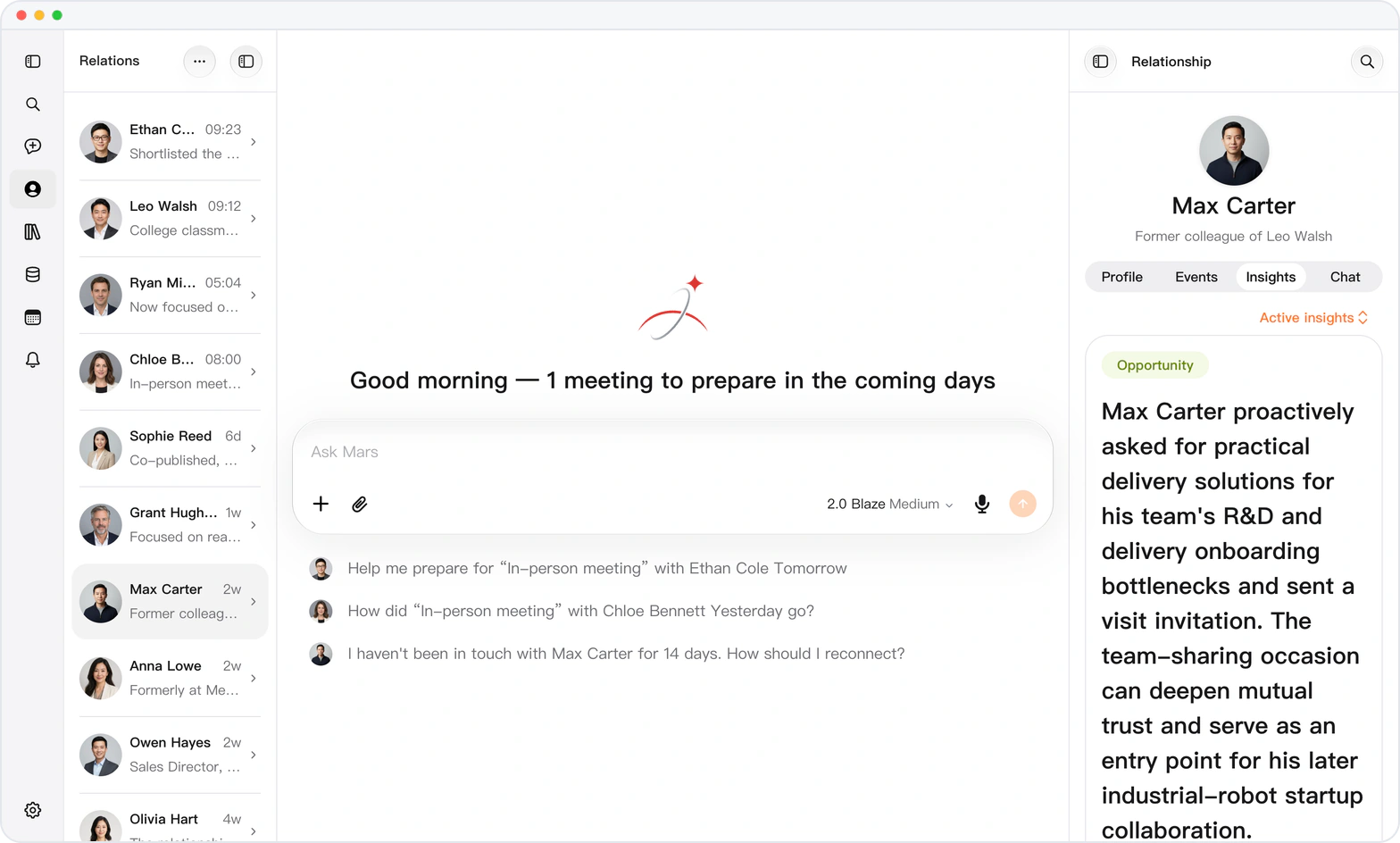
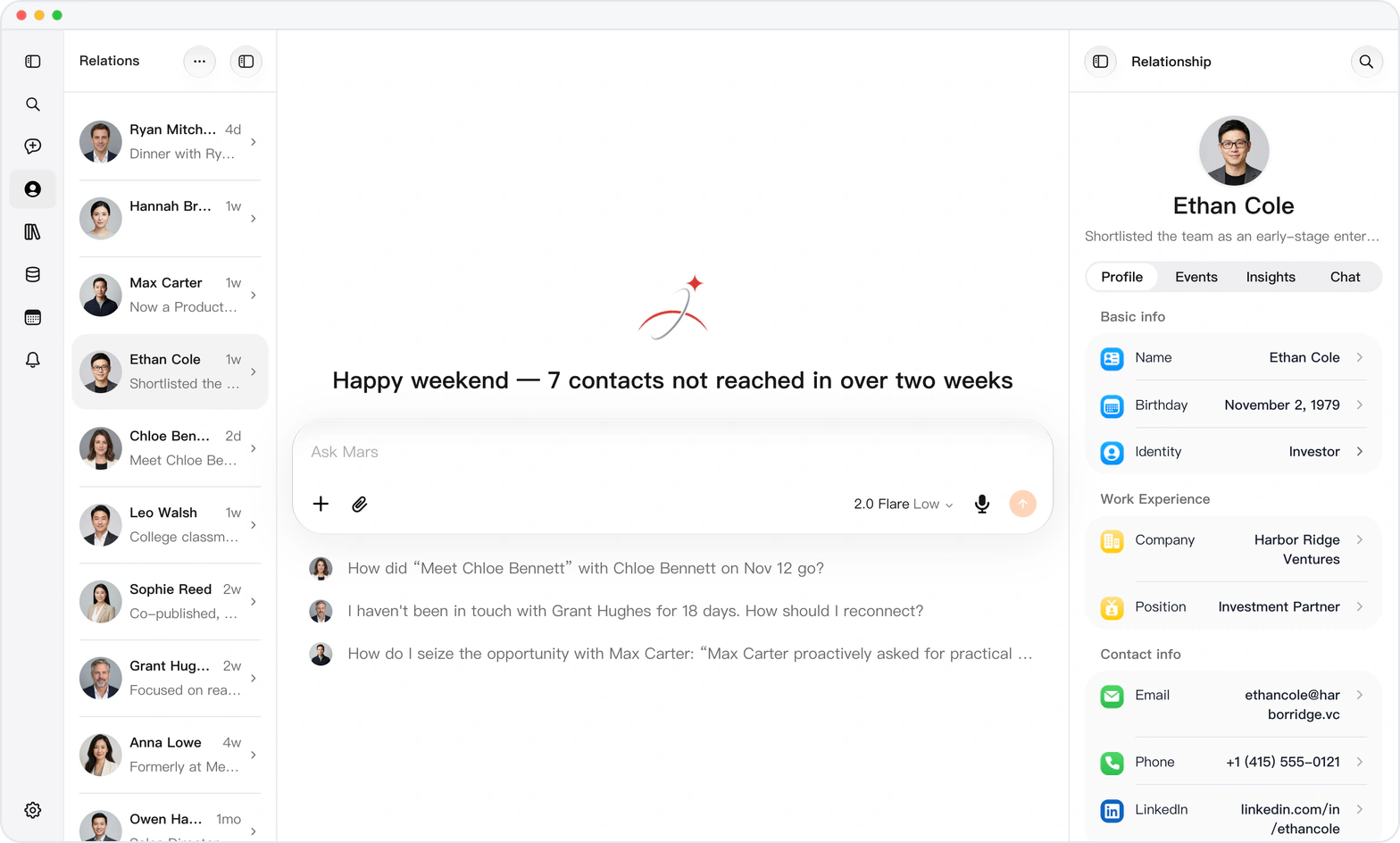
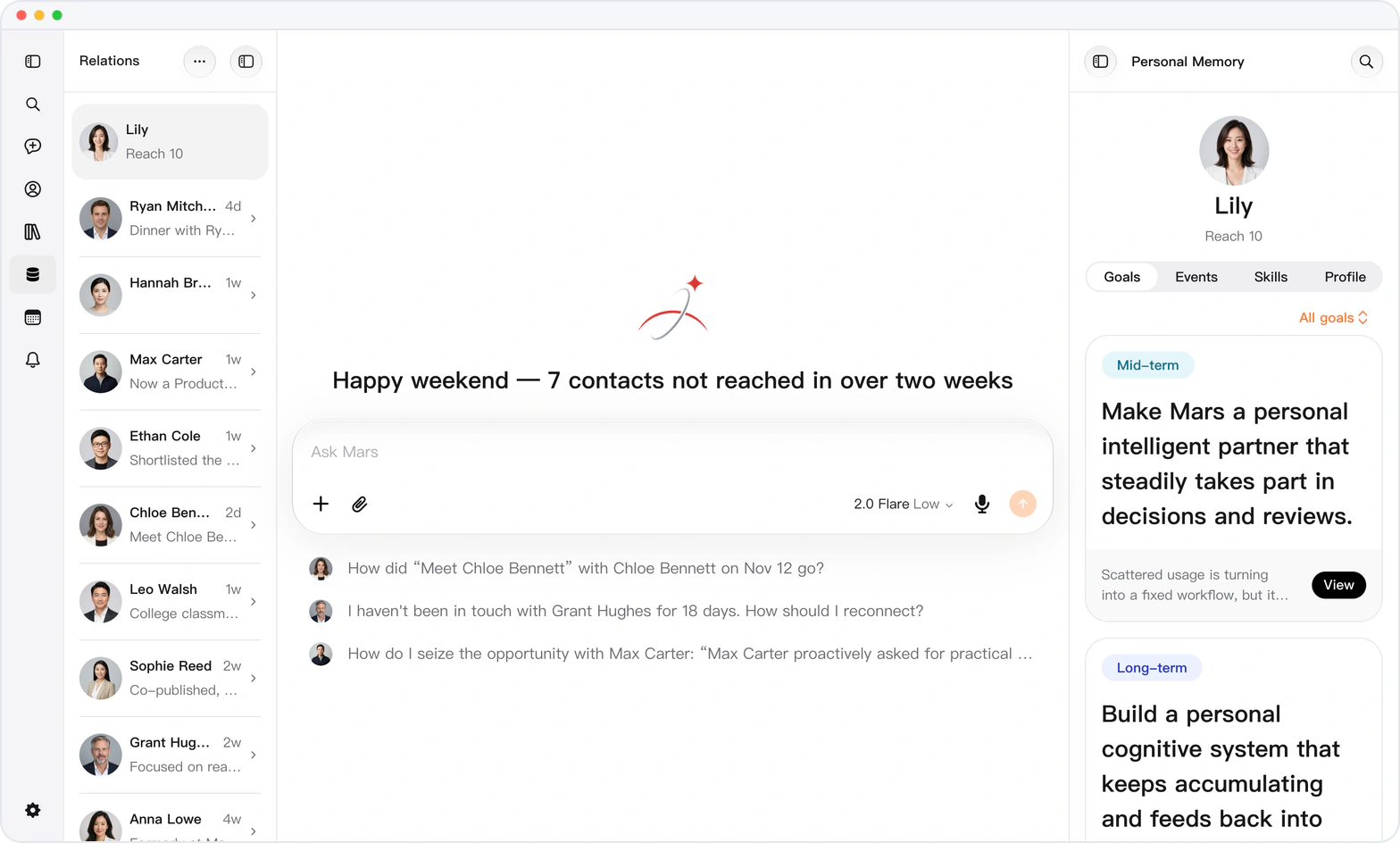
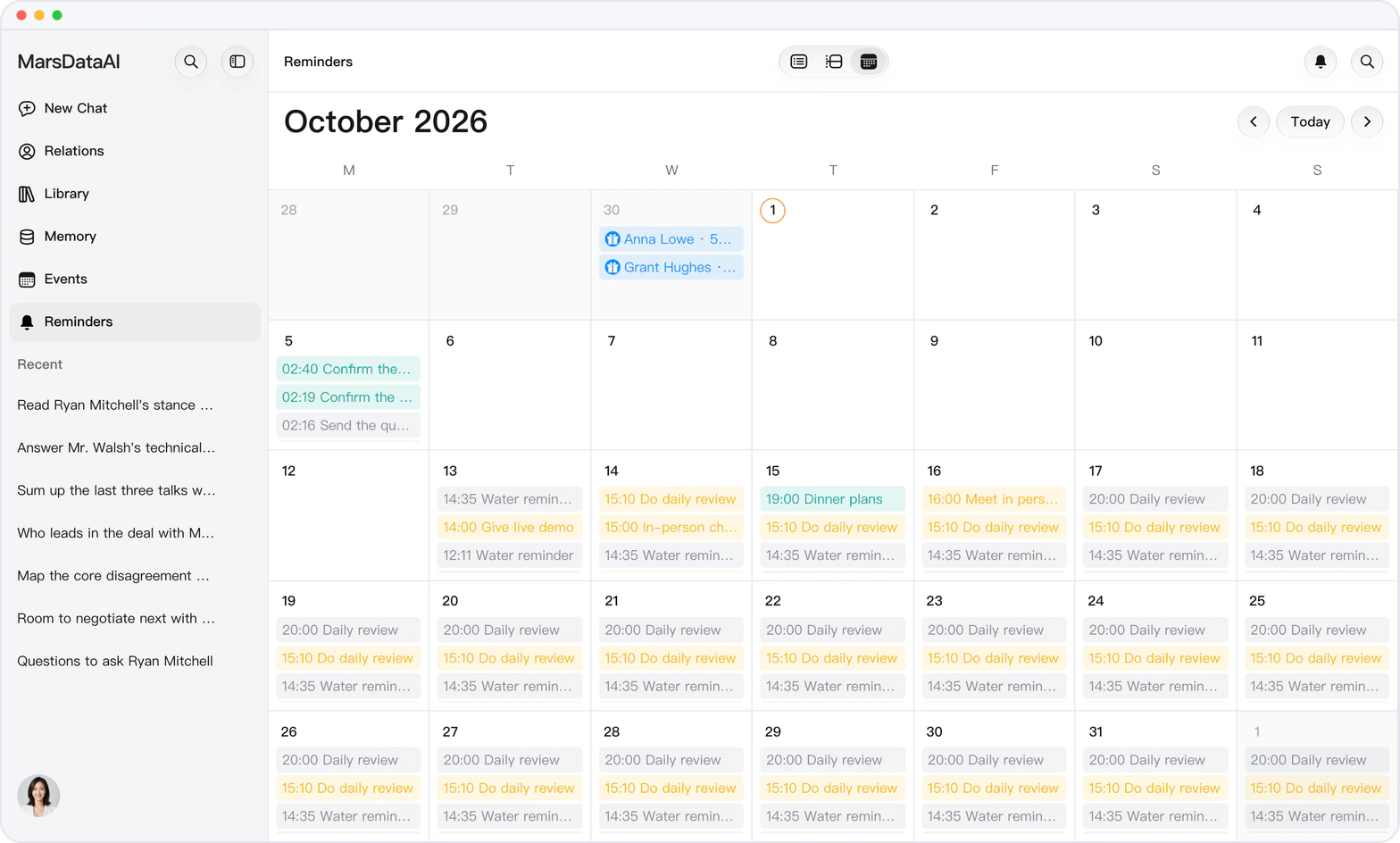
Love personality tests, such as the 16-type love tests shared widely on social media, sort each of you into a type, like the one who leads or the one who devotes, from a few dozen questions. They are fun to compare, but they are not validated psychological tests, and two types that look like a poor match say little about how you handle a real disagreement. For example, you both take a love personality test and the result says one of you leads and the other follows. Tell Mars both results and share the last month of chats: Mars checks the types against what happened, such as who suggested the plans and who apologised first, quoting each line with its date. A quiz shows what each of you says you want; your chats show what actually happens. Tell Mars your quiz answers and it keeps your partner's on their record, in groups such as Family and Mindset & Preferences, and yours in your own memory, then points out the gaps. Share the chats where you disagreed and Mars shows which topics keep coming back, with the quoted lines. For example, you both answered (b) on money, yet three of your last four arguments started with "you bought it without asking". Mars points this out and drafts a calm way to agree on a spending limit, for you to edit and send yourself. Mars does not score couples or predict whether a relationship will last.
- A love personality test result checked against your real chats, quoted with dates
- Both partners' quiz answers saved, with the gaps listed by topic
- Recurring clashes found in the chats you share, quoted with dates
- Drafts for raising a hard topic; every message is sent only by you
How to take the quiz and score it
- Answer separatelyEach of you writes down a, b or c for all 18 questions without talking about them.
- Count your matchesCompare answers and count the questions where you both chose the same letter.
- Talk through the gaps14 to 18 matches: you mostly agree, so talk about the few gaps. 8 to 13: real differences, worth one honest talk per topic. 0 to 7: you see many things differently, so start with the topic that matters most to both of you.
See the rest of Use cases in MarsDataAI Wiki.